Volume of correct repetitions
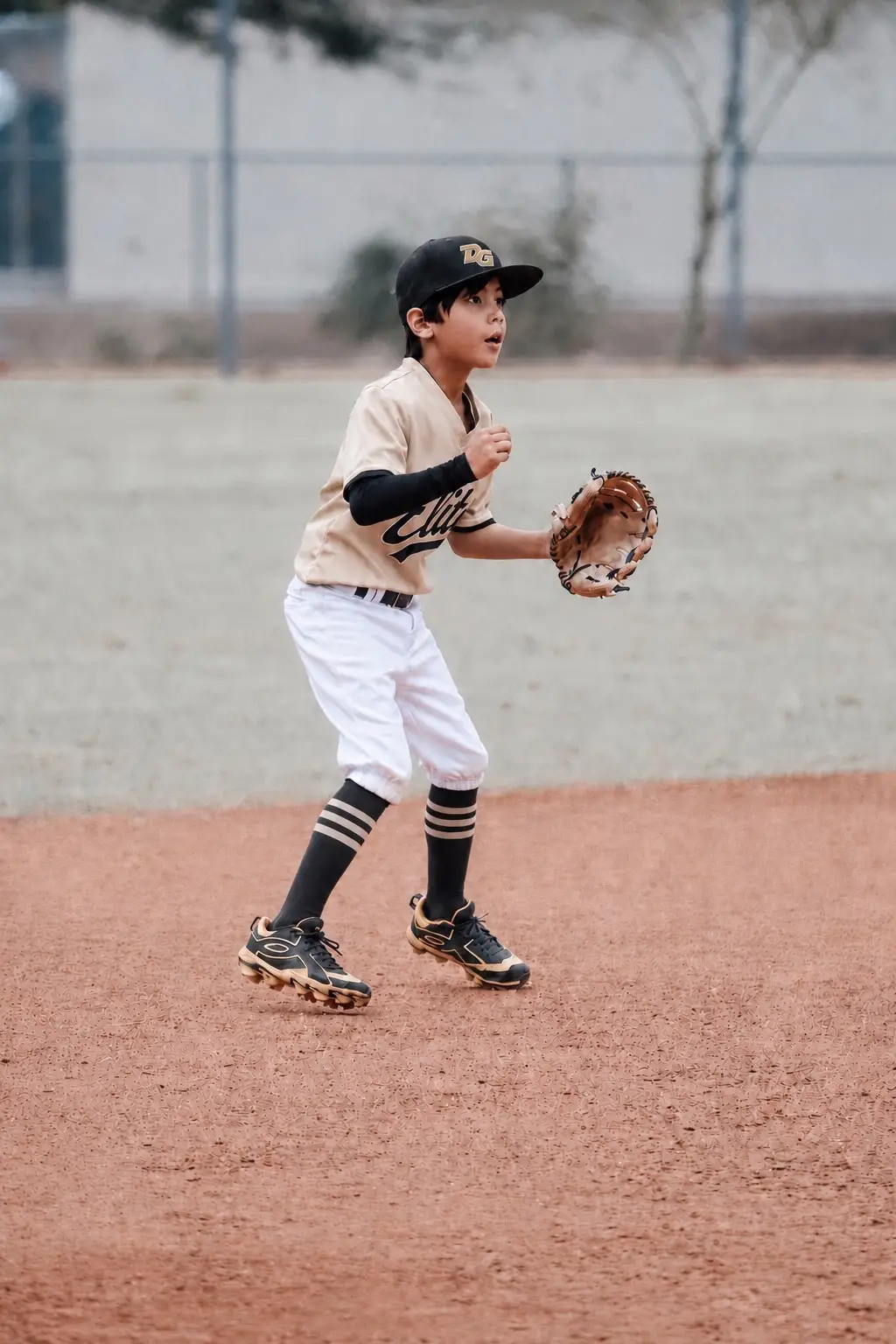
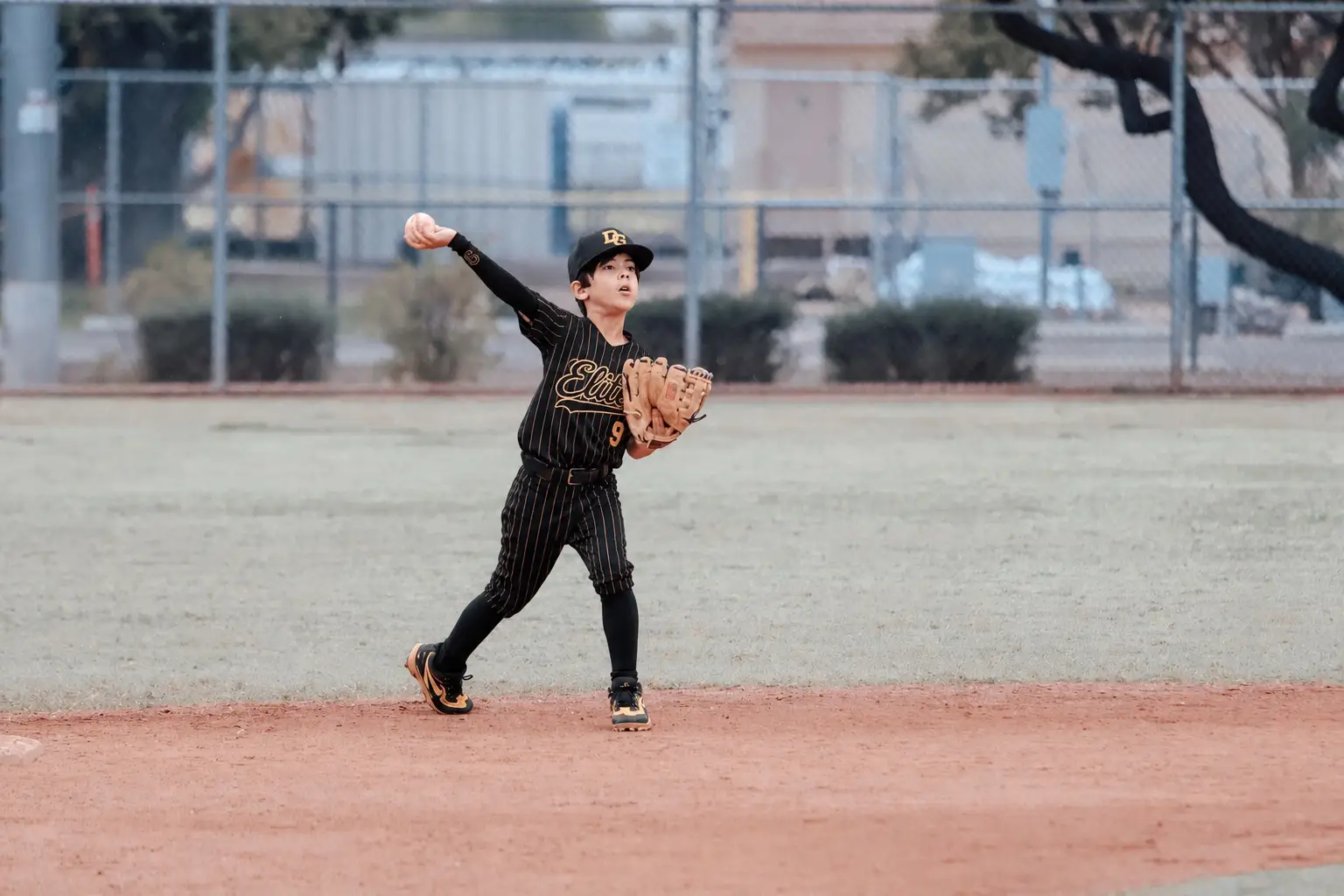
Skill is built through coached reps — not tournament at-bats. A player with 4,000 corrected throwing reps improves his arm. A player with the same number of game reps reinforces whatever he walked in with.

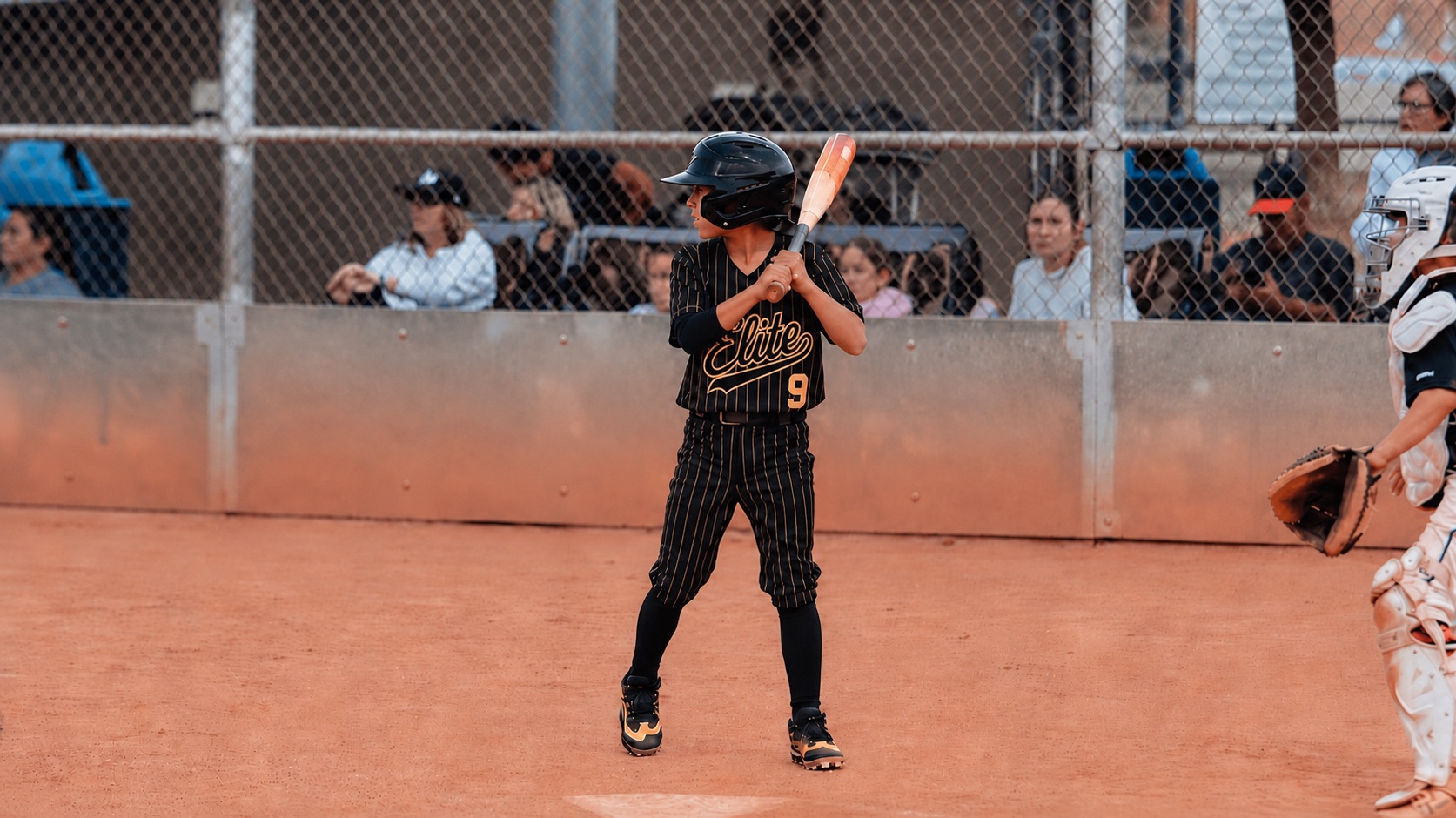
Games reveal the player. Training builds him.
"Every serious training program — in finance, in athletics, in anything — is built on the same principle: the work you put in before the test determines what the test reveals. We just apply that to baseball."
Hover (or tap on mobile) each principle to expand.
Skill is built through coached reps — not tournament at-bats. A player with 4,000 corrected throwing reps improves his arm. A player with the same number of game reps reinforces whatever he walked in with.
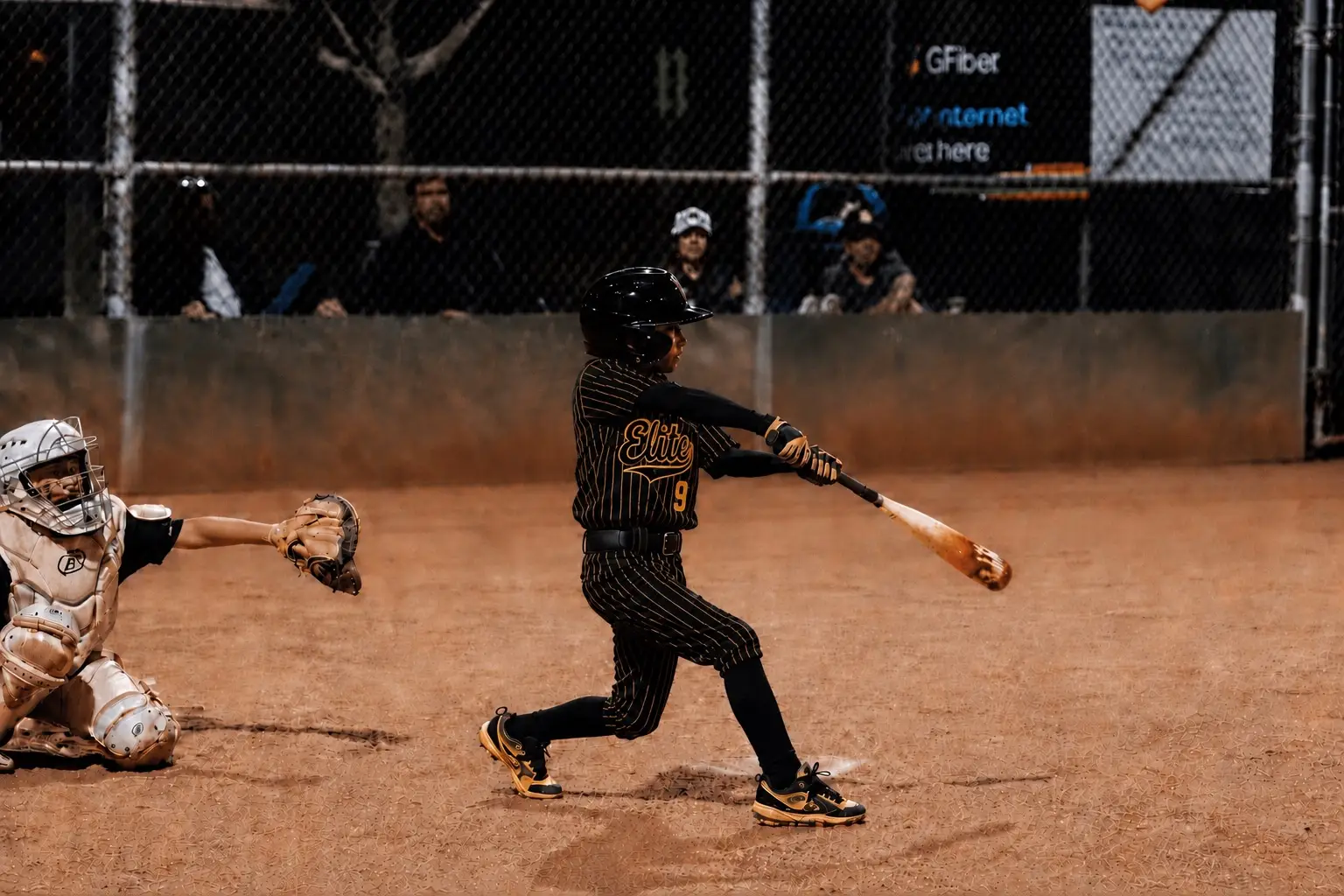
A player who doesn't understand what he's doing won't own it under pressure. We explain the why — hip rotation, elbow angle, swing plane — before we ask any player to apply it. That foundation carries for years.
Week 1 is not week 10. What's introduced in week 2 is reinforced in week 4, applied by week 6, and instinctive by week 10. This is a curriculum. Compounding only works when each week builds on the last.
There's confidence from being told you're good. And there's confidence from knowing you've prepared. Only one holds up in a tied game. Players who train with a real system don't wonder if they're ready — they know.
We play 30+ games in the fall, 50+ in the spring. Competition tests what training builds — not the other way around. When both are right, the player is ready. When only the schedule is full, not much gets learned.
Each phase of the season builds on the last. By the end, players aren't executing instructions — they're playing.
Core mechanics installed correctly — throwing, hitting, fielding footwork. Coaches teach the why. Players build the vocabulary to understand their own bodies. The goal is clarity, not speed.
Mechanics from phase one are reinforced under increasing complexity — faster reps, game-speed situations, multi-skill drills. Players start owning the movements rather than following instructions. Games now test what's been built.
Players compete with a foundation they've actually built. Game adjustments are now coaching conversations, not corrections. Players who were blank slates in week 1 are making reads, competing instinctively, and showing up prepared.
A player who spends 20 weeks playing games without structured training learns to use whatever mechanics he walked in with — and reinforces them. Bad habits get faster and stronger. By 13 or 14, unlearning them is twice as hard as learning them correctly the first time. The window for foundational development at 7–12 is the most important window in a player's career. What happens in that window determines whether the next window opens or closes.
We don't get that window back. So we don't waste it on tournaments before the foundation is set.
When a player understands why his hip rotation matters — not just how it looks — he can self-correct mid-game without a coach in his ear.
Confidence is earned through quality reps. Our progressive curriculum ensures each session builds on the last — so players enter new situations having already succeeded at a version of them.
A player who shows up to a practice with a written plan knows his development is taken seriously. That signal changes how seriously he takes his own preparation.
We document what each player is working on and whether it's improving. That accountability loop between coach, player, and parent produces compound development over a full season.
The evaluation is the fastest way to see whether this is the standard you've been looking for.